

Most drivers associate winter with car trouble, but summer heat and your vehicle are actually a risky combination. Extreme temperatures like those we see in New Hudson, Michigan, can quietly wear down critical systems, often without any obvious warning signs until something fails. If you want to avoid an unexpected breakdown this season, regular maintenance and inspections at the service center can help identify potential issues early and keep your vehicle prepared for the heat. Understanding exactly what hot weather does under the hood is the first step toward protecting your vehicle this summer.
How Summer Heat Affects Your Battery
One of the most overlooked effects of summer heat on your vehicle is battery damage. Heat accelerates the chemical reactions inside a battery, which can cause internal fluid to evaporate and weaken the battery’s overall structure. A battery that seems fine in spring may struggle or fail entirely once temperatures consistently climb above 90 degrees. It’s a good idea to have your battery tested before the hottest months arrive. Many drivers wait until their vehicle refuses to start, but by that point, the damage is already done. A quick inspection can tell you whether your battery is holding a proper charge or approaching the end of its useful life.
Your Cooling System Works Overtime in Summer
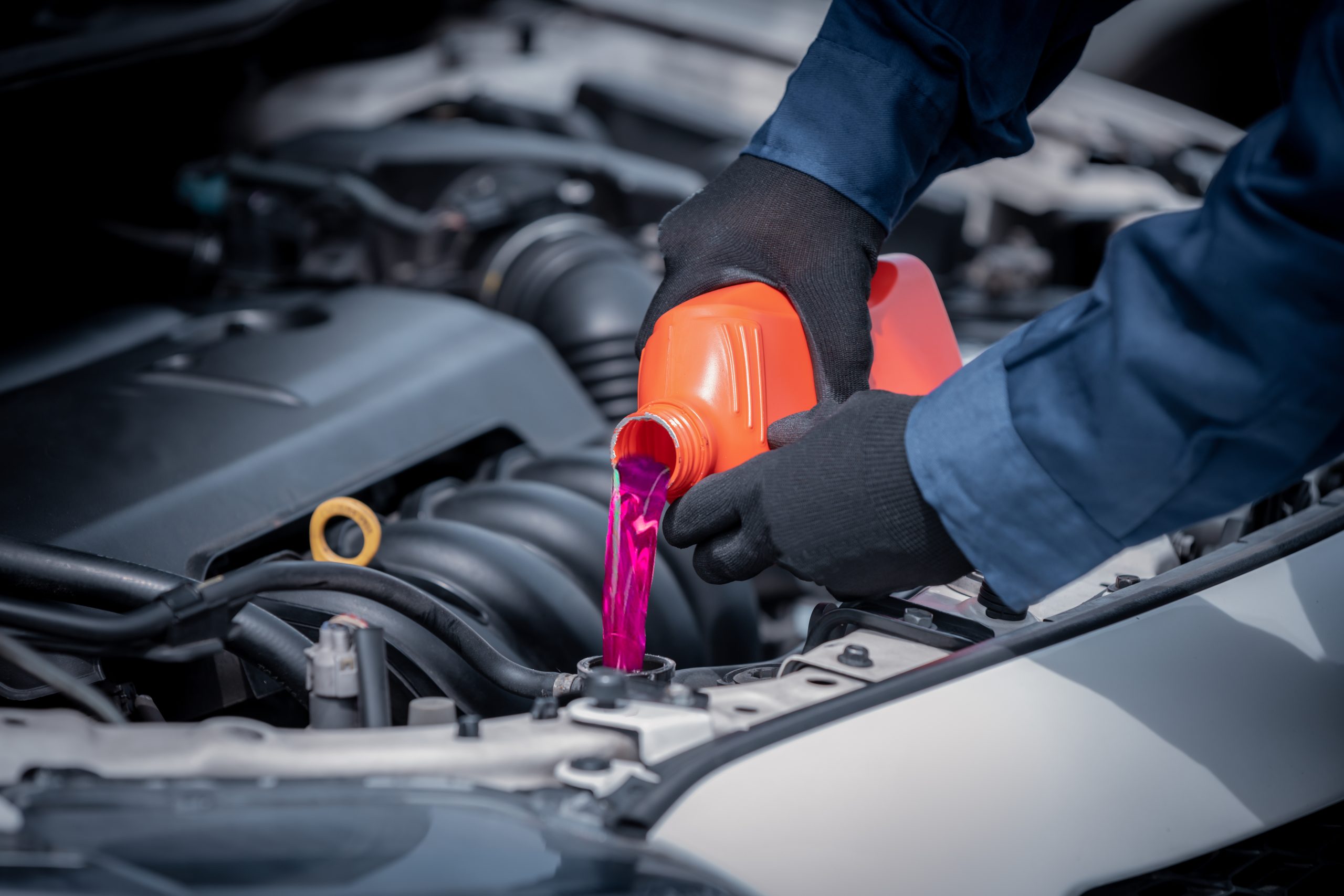
The cooling system is your engine’s primary defense against heat. Of course, in summer it works harder than at any other time of year, managing engine temperatures that can rise quickly in stop-and-go traffic or on long highway drives. Low coolant levels, a worn thermostat, or a failing water pump can all lead to overheating, sometimes within minutes. Check your coolant level regularly throughout the summer, and watch for any warning lights on your dashboard. If your temperature gauge starts climbing toward the red zone, pull over safely and let the engine cool before investigating further. Remember though—never remove a hot radiator cap.
Tires, Fluids, and Other Heat-Sensitive Components
Summer heat and your vehicle’s tires have a complicated relationship. Hot pavement raises tire pressure, which increases the risk of blowouts—especially on tires that are already worn or slightly underinflated, which can also happen in Michigan’s changing conditions. Check your tire pressure when the tires are cool for the most accurate reading. Beyond tires, heat degrades other fluids as well. Transmission fluid, brake fluid, and engine oil all break down faster under sustained high temperatures. Keeping up with your recommended service intervals becomes even more important during summer months.
Stay Ahead of Summer Breakdowns
The best way to protect your vehicle this season is through consistent, proactive maintenance. An inspection that covers your battery, cooling system, tires, and fluid levels gives you a clear picture of where things stand before heat turns a small issue into a roadside emergency. Drivers in New Hudson, Michigan, experience some genuinely hot summers, and local roads can be tough on vehicles that aren’t properly prepared. Ford vehicles come with access to a range of owner benefits designed to make maintenance easier, including Ford Mobile Service, which allows certified technicians to handle many services at your home or workplace. Taking advantage of these resources keeps your vehicle performing the way it should, no matter how high the temperature climbs.
Take the Next Step in Preparation
Understanding the connection between summer heat and your vehicle is the first step toward avoiding an inconvenient – or even dangerous – breakdown. From your battery and cooling system to your tires and fluids, the season puts real stress on parts that are easy to overlook. A little preparation goes a long way. Visit Hines Park Ford to schedule your summer maintenance check and keep your Ford running confidently all season long.
Connect with us


- July 2026
- June 2026
- May 2026
- April 2026
- March 2026
- February 2026
- January 2026
- December 2025
- November 2025
- October 2025
- September 2025
- May 2025
- April 2025
- December 2024
- November 2024
- October 2024
- September 2024
- July 2024
- March 2024
- February 2024
- January 2024
- December 2023
- November 2023
- October 2023
- September 2023
- August 2023
- December 2022
Archives
- 2026 Bronco at Hines Park Ford
- 2026 Ford Bronco in New Hudson, MI
- 2026 Ford Bronco Sport
- 2026 Ford Bronco Sport Financing Options
- 2026 Ford Escape Hybrid
- 2026 Ford Maverick Hybrid
- 2026 Ford models
- 2026 Fuel-Efficient Ford Vehicles
- Accessories at Hines Park Ford
- AI vs. Reality
- American-made trucks and SUVs
- Announcements
- Bluetooth® Disconnects
- Bronco Sport models
- EV charging
- Events at Hines Park Ford
- Financing or lease plan at Hines Park Ford
- Financing programs
- Ford BlueCruise
- Ford BlueCruise in New Hudson, MI
- Ford Bronco
- Ford Bronco Sport
- Ford Dashboard Warning Lights
- Ford Escape
- Ford Expedition
- Ford Explorer
- Ford F-150
- Ford F-150 in New Hudson, MI
- Ford Formula 1
- Ford Infotainment Freezing or Bluetooth® Problems
- Ford Lease Options at Hines Park Ford
- Ford Leasing in New Hudson, MI
- Ford Maverick
- Ford Mobile Service
- Ford Models in New Hudson, MI
- Ford Mustang
- Ford Mustang Mach-E
- Ford Pickup and Delivery
- Ford Ranger
- Ford Super Duty
- Ford U.S. Manufacturing
- Ford Warning Lights
- Ford's online pre-qualify tool
- Hines Park Ford
- Hybrid and electric vehicles
- Hybrid and plug-in hybrid options
- Inflation and Interest Rates
- Interest rates
- Mustang Mach-E
- New Ford
- New Hudson Financing
- New Hudson Ford Dealer
- New Hudson Ford Service
- New Hudson, MI Dealer
- New Tire Safety Inspection Guidelines for 2026
- Real Diagnosis
- Schedule service
- Schedule your summer maintenance check
- Service Department Hines Park Ford in New Hudson, MI
- Summer Heat and Your Vehicle
- SYNC® Software Updates
- The Color Code: Red, Yellow, and Green
- Tire Ratings
- Top Ford Accessories in New Hudson, MI
- Uncategorized