

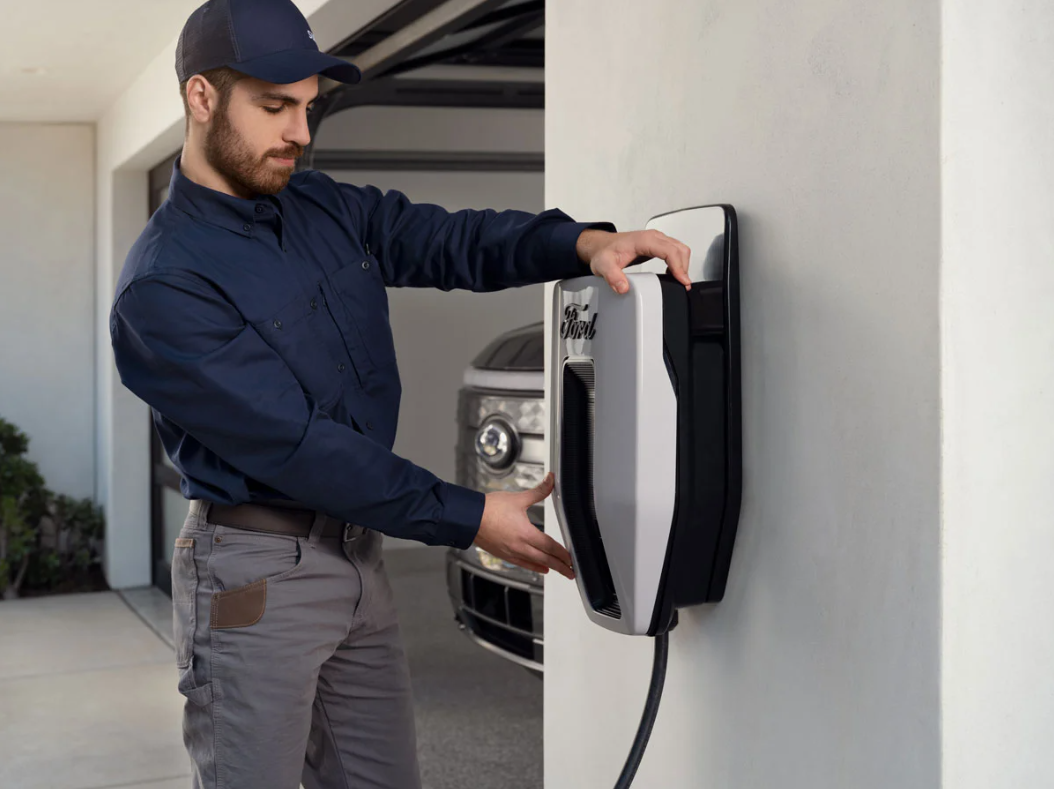
For many shoppers considering an electric vehicle, the biggest question isn’t about driving range. It’s about charging. Where will they charge? How long will it take? What will it cost? The answers are becoming increasingly straightforward. As home charging technology becomes more accessible and utilities continue expanding EV-related programs, charging an electric vehicle at home has become one of the most practical aspects of EV ownership.
For drivers in New Hudson, MI, understanding how home charging works is an important first step when evaluating today’s growing lineup of electric vehicles.
Home Charging Has Become the EV Standard
One of the biggest misconceptions about electric vehicles is that owners spend a significant amount of time visiting public charging stations. In reality, most EV charging happens at home. For many drivers, daily commuting uses only a portion of an EV’s available battery capacity. Charging overnight allows the vehicle to replenish that energy while parked, making it ready for the next day’s drive. Instead of stopping at a gas station during the week, owners often plug in at home and let the vehicle charge while they sleep. That convenience is one of the reasons EV adoption continues to grow across the country.
Understanding Level 2 Charging
While electric vehicles can be charged using a standard household outlet, most owners prefer a Level 2 charging system. Level 2 chargers operate on a 240-volt circuit and provide significantly faster charging than a traditional wall outlet. For many households, this allows the vehicle to recover daily driving needs overnight. The installation process typically involves adding a dedicated charging circuit and having the equipment professionally installed. Before moving forward, homeowners should consult a qualified electrician to evaluate their home’s electrical capacity and installation requirements.
Incentives May Help Offset Costs
One reason more consumers are exploring home charging is the availability of incentive programs. Depending on location and eligibility requirements, homeowners may find opportunities through utility companies, government programs, or other initiatives designed to encourage EV adoption. Some programs may help offset charger equipment costs, installation expenses, or ongoing charging costs. Because these programs can change over time, buyers should verify current eligibility requirements and available incentives before making purchasing decisions. A little research upfront can help maximize potential savings.
Utility Companies Are Encouraging Off-Peak Charging
Many electric utilities view EV charging as an opportunity rather than a challenge. To help balance demand on the electrical grid, some providers offer programs that encourage charging during lower-demand hours, typically overnight. These programs may include reduced electricity rates, special EV charging plans, or other incentives. For EV owners, that can make home charging even more affordable while helping utilities manage energy demand more efficiently. It’s a practical example of how infrastructure continues evolving alongside electric vehicle adoption.
Ford’s Electric Vehicle Lineup Continues to Grow
Ford has invested heavily in electrification, giving shoppers more choices than ever before. The Mustang Mach-E® has become one of the brand’s most recognizable electric vehicles, combining SUV practicality with all-electric performance. Ford’s broader electrification strategy also includes hybrid and plug-in hybrid options that provide additional flexibility for drivers who are exploring alternatives to traditional gasoline-powered vehicles. For many shoppers, understanding home charging helps remove one of the biggest uncertainties associated with EV ownership.
Exploring EV Ownership in New Hudson, MI
Drivers throughout New Hudson, South Lyon, Novi, Milford, and the greater Livingston and Oakland County areas can explore Ford’s electric and hybrid vehicle lineup at Hines Park Ford. If you’re considering a Mustang Mach-E® or simply beginning your EV research, understanding home charging is a valuable step toward determining if an electric vehicle fits your lifestyle.
Connect with us


- July 2026
- June 2026
- May 2026
- April 2026
- March 2026
- February 2026
- January 2026
- December 2025
- November 2025
- October 2025
- September 2025
- May 2025
- April 2025
- December 2024
- November 2024
- October 2024
- September 2024
- July 2024
- March 2024
- February 2024
- January 2024
- December 2023
- November 2023
- October 2023
- September 2023
- August 2023
- December 2022
Archives
- 2026 Bronco at Hines Park Ford
- 2026 Ford Bronco in New Hudson, MI
- 2026 Ford Bronco Sport
- 2026 Ford Bronco Sport Financing Options
- 2026 Ford Escape Hybrid
- 2026 Ford Maverick Hybrid
- 2026 Ford models
- 2026 Fuel-Efficient Ford Vehicles
- Accessories at Hines Park Ford
- AI vs. Reality
- American-made trucks and SUVs
- Announcements
- Bluetooth® Disconnects
- Bronco Sport models
- EV charging
- Events at Hines Park Ford
- Financing or lease plan at Hines Park Ford
- Financing programs
- Ford BlueCruise
- Ford BlueCruise in New Hudson, MI
- Ford Bronco
- Ford Bronco Sport
- Ford Dashboard Warning Lights
- Ford Escape
- Ford Expedition
- Ford Explorer
- Ford F-150
- Ford F-150 in New Hudson, MI
- Ford Formula 1
- Ford Infotainment Freezing or Bluetooth® Problems
- Ford Lease Options at Hines Park Ford
- Ford Leasing in New Hudson, MI
- Ford Maverick
- Ford Mobile Service
- Ford Models in New Hudson, MI
- Ford Mustang
- Ford Mustang Mach-E
- Ford Pickup and Delivery
- Ford Ranger
- Ford Super Duty
- Ford U.S. Manufacturing
- Ford Warning Lights
- Ford's online pre-qualify tool
- Hines Park Ford
- Hybrid and electric vehicles
- Hybrid and plug-in hybrid options
- Inflation and Interest Rates
- Interest rates
- Mustang Mach-E
- New Ford
- New Hudson Financing
- New Hudson Ford Dealer
- New Hudson Ford Service
- New Hudson, MI Dealer
- New Tire Safety Inspection Guidelines for 2026
- Real Diagnosis
- Schedule service
- Schedule your summer maintenance check
- Service Department Hines Park Ford in New Hudson, MI
- Summer Heat and Your Vehicle
- SYNC® Software Updates
- The Color Code: Red, Yellow, and Green
- Tire Ratings
- Top Ford Accessories in New Hudson, MI
- Uncategorized