
Ford has always viewed motorsports as a proving ground, not just a side project. From the legendary GT40 dominating Le Mans in the 1960s to its consistent success in rallying, Ford has used racing to push boundaries and bring innovation to the road. Now, after 22 years, Ford is making a return to Formula 1 with the same drive and purpose—but the world of racing has changed. For drivers in New Hudson, MI, this isn’t just a headline. It’s a signal that Ford is back in one of the most demanding arenas in motorsports—and the technology developed will soon be seen in your next vehicle.
Ford’s Legacy in Motorsports
Ford’s history in racing is about more than just nostalgia—it’s a pattern of entering new disciplines, competing fiercely, and then using the lessons learned to improve its production vehicles. Formula 1, in that context, is not uncharted territory; it’s part of an ongoing journey of refinement and innovation. In the past, Ford powered multiple championship-winning teams. But now, the stakes are higher with modern F1 focusing on software, energy recovery, and efficiency, aligning perfectly with Ford’s current direction in automotive technology.
Why Ford Formula 1 Matters to New Hudson Drivers
Ford’s return to Formula 1 is not just a sentimental move—it’s a strategic decision. By partnering with a top-tier F1 organization, Ford gains access to a development environment that’s impossible to replicate elsewhere. The pressure of F1 pushes everything to the extreme: aerodynamics, energy management, and materials all need to be at their peak performance. The results? Tighter handling, smarter energy usage, and lighter materials—all of which trickle down to vehicles on the road.
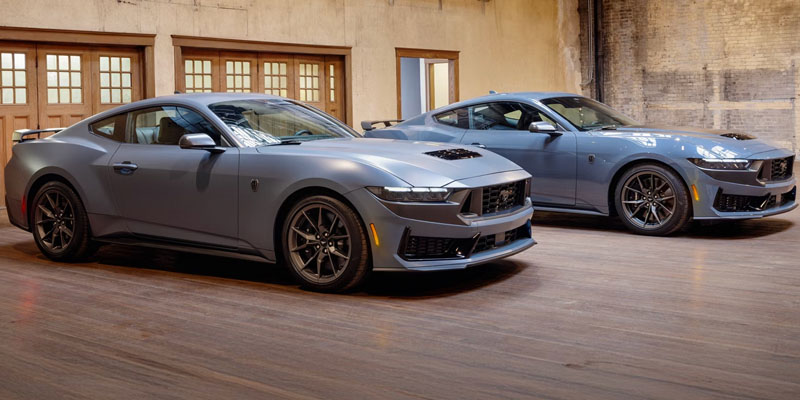
For drivers in New Hudson, that translates into Ford vehicles like the 2026 Mustang feeling more responsive, more efficient, and better refined over time.
The Technology Behind Ford’s Formula 1 Comeback
Modern Formula 1 cars rely heavily on hybrid power—smaller engines combined with advanced energy recovery systems. This is exactly in line with Ford’s growing commitment to electrification. F1 provides the perfect environment for pushing hybrid systems to their limits, exposing weaknesses under extreme conditions and refining them. These lessons lead to improvements that will benefit Ford drivers across the board.
Additionally, real-time data analysis and precise energy deployment are key to modern F1, and that thinking has increasingly filtered into everyday vehicles. For drivers in New Hudson, that means the tech Ford is testing on the track is coming straight to the cars you drive.
The Impact of Formula 1 on Ford Drivers in New Hudson
The benefits of Ford’s return to Formula 1 may start off subtle, but over time, they’ll become clear. Vehicles will feel tighter, power delivery will be smoother, and fuel efficiency will improve without compromising performance. There’s also the intangible, but equally important, sense of identity. Ford’s return to F1 proves that the brand continues to compete, innovate, and push boundaries—values that resonate with drivers in New Hudson, MI, where Ford vehicles are an integral part of daily life.
Experience Ford’s Next Chapter in New Hudson, MI
Ford’s return to Formula 1 is more than a nostalgic step back—it’s about shaping the future. The technology, the pressure, and the relentless pace of development will redefine what you’ll find in Ford vehicles. Want to see how this evolution already reflects on the road? Visit us at Hines Park Ford, schedule a test drive online, and experience firsthand how Ford is bringing Formula 1-inspired innovation to your next vehicle.
Connect with us


- June 2026
- May 2026
- April 2026
- March 2026
- February 2026
- January 2026
- December 2025
- November 2025
- October 2025
- September 2025
- May 2025
- April 2025
- December 2024
- November 2024
- October 2024
- September 2024
- July 2024
- March 2024
- February 2024
- January 2024
- December 2023
- November 2023
- October 2023
- September 2023
- August 2023
- December 2022
Archives
- 2026 Bronco at Hines Park Ford
- 2026 Ford Bronco in New Hudson, MI
- 2026 Ford Escape Hybrid
- 2026 Ford Maverick Hybrid
- 2026 Ford models
- 2026 Fuel-Efficient Ford Vehicles
- Accessories at Hines Park Ford
- American-made trucks and SUVs
- Announcements
- EV charging
- Events at Hines Park Ford
- Financing or lease plan at Hines Park Ford
- Financing programs
- Ford BlueCruise
- Ford BlueCruise in New Hudson, MI
- Ford Bronco
- Ford Bronco Sport
- Ford Dashboard Warning Lights
- Ford Escape
- Ford Expedition
- Ford Explorer
- Ford F-150
- Ford F-150 in New Hudson, MI
- Ford Formula 1
- Ford Lease Options at Hines Park Ford
- Ford Leasing in New Hudson, MI
- Ford Maverick
- Ford Models in New Hudson, MI
- Ford Mustang
- Ford Mustang Mach-E
- Ford Pickup and Delivery
- Ford Ranger
- Ford Super Duty
- Ford U.S. Manufacturing
- Hines Park Ford
- Hybrid and electric vehicles
- Hybrid and plug-in hybrid options
- Inflation and Interest Rates
- Interest rates
- Mustang Mach-E
- New Ford
- New Hudson Financing
- New Hudson Ford Dealer
- New Hudson Ford Service
- New Hudson, MI Dealer
- New Tire Safety Inspection Guidelines for 2026
- Service Department Hines Park Ford in New Hudson, MI
- The Color Code: Red, Yellow, and Green
- Tire Ratings
- Top Ford Accessories in New Hudson, MI
- Uncategorized